



Key Takeaways
- Picking the right home owners insurance company ensures your home’s value stays secure.
- Top-rated home insurance companies offer tailored coverage options for unique home needs.
- Most policies exclude coverage for floods or earthquakes unless added separately.
- Renewing without annual reviews could leave you overpaying for inadequate protection.
- Emergencies don’t wait—your policy should respond as quickly as you need it to.
Understanding Homeowners Insurance
Protecting your home and belongings starts with knowing what homeowners insurance covers. This foundational coverage helps repair or replace your property after disasters like fires or theft. When comparing home insurance coverage options, a reputable home insurance company ensures your policy aligns with your family’s needs.What Is Homeowners Insurance?
This insurance acts as a safety net. It compensates for damage to your home’s structure and personal items, plus legal costs from accidents on your property. A trustworthy provider like State Farm or Allstate designs policies that balance affordability with comprehensive protection.Key Coverage Components
- Dwelling coverage: Pays to repair or rebuild your home after disasters.
- Personal property: Reimburses for stolen or damaged belongings up to policy limits.
- Liability protection: Shields you from medical bills or lawsuits if someone gets hurt on your property.
- Additional living expenses: Covers hotel stays if your home is uninhabitable during repairs.
Exclusions and Limitations
Not everything is covered. Most policies exclude flood or earthquake damage—these require separate add-ons. Neglecting maintenance, like ignoring a leak that causes mold, may void claims.Read exclusions carefully to avoid coverage gaps.
Types of Homeowners Insurance Policies
Homeownership comes in many forms, so insurance must match your unique situation. Policies like HO-1 through HO-6 offer tailored coverage for different homes and lifestyles. Let’s break down your options:
- HO-1 (Basic Coverage): Covers rare events like fires or theft, but excludes common perils like water damage.
- HO-3 (Broad Coverage): The most common choice, protecting from named perils plus personal property.
- HO-4 (Renters/Condo Add-Ons): Ideal for renters or condo owners needing extra liability or personal property coverage.
- HO-6 (Condo Policies): Covers condo unit interiors while the building itself is handled by the HOA.
- HO-5 (Comprehensive): Open peril coverage for structures and belongings, excluding specific hazards.
- HO-2 (Special Policies): Used for specific needs like manufactured homes or historic properties.
HO-1 to HO-6 Policy Types
Each policy serves distinct needs. For instance, HO-5 suits families in disaster-prone areas, while HO-6 fits condo dwellers. Compare these options with a trusted home owners insurance company to align coverage with your property’s risks.Choosing the Right Policy for You
Start by assessing your home type—single-family, condo, or rental. List valuables like art or jewelry to ensure adequate personal property limits. A local agent from a reputable home owners insurance company can help customize a plan. Ask yourself: “Does this policy cover flood or earthquake risks in my area?” Regular reviews are key as life changes, like adding a pool or renovating.Importance of Homeowners Insurance
Your home is more than a building—it’s a place of memories and financial stability. A trusted home insurance provider ensures disasters like storms or break-ins don’t derail your future. Here’s how coverage works for you. [adinserter block=”6″]Protecting Your Home Investment
Home insurance coverage options guard against risks you can’t predict. For example:- Fire or flood damage repair costs
- Replacement of stolen valuables
- Temporary housing during repairs
Liability Protection Explained
“Liability coverage is the unseen shield every homeowner needs.” — National Association of Insurance Commissioners
| Scenario | Coverage Provided |
|---|---|
| Guest slips and sues you | Legal defense and medical costs |
| Tree from your yard damages a neighbor’s car | Property damage liability |
| Visitor’s laptop broken during a robbery | Personal property protection |
How to Choose the Right Homeowners Insurance Company
Choosing the right provider means balancing cost and quality. Start by prioritizing companies with strong financial backing and proven customer service. Here’s how to narrow your options:Researching Insurance Providers
- Check financial stability ratings from A.M. Best (A+ or higher) and Standard & Poor’s.
- Review J.D. Power customer satisfaction rankings and state insurance department complaint ratios.
- Read reviews on platforms like Google or Trustpilot to gauge real customer experiences.
Tips for Comparing Quotes
- Ensure all quotes include the same coverage limits to compare home insurance rates fairly.
- Adjust deductibles to see how premium costs shift—higher deductibles often lower monthly payments.
- Ask about bundling discounts (e.g., auto + home policies) for potential savings.
- Verify claims processing times and customer support availability—speed matters during emergencies.
Factors Affecting Homeowners Insurance Premiums
Homeowners insurance premiums aren’t random—they’re shaped by specific details about your home and location. Knowing these factors helps you compare options and explore affordable home insurance quotes. Top-rated home insurance companies use these details to tailor policies, so understanding them can lead to better choices.“Every home is unique, and insurers use these details to balance risk and cost fairly.”
Location and Risk Factors
- Proximity to emergency services: Homes near fire stations often see lower rates due to faster response times.
- Crime rates: Areas with higher crime may increase premiums, but security systems can offset this.
- Weather risks: Regions prone to hurricanes or wildfires might have higher rates, but discounts exist for storm shutters or fire alarms.
- Flood zones: Living in flood-prone areas may require separate policies, but top-rated companies offer tailored options.
Home Characteristics
Older homes often cost more to insure because of outdated wiring or plumbing. Modern construction materials like brick or reinforced roofs can lower premiums. Installing smart locks or alarms may qualify you for discounts. Even the home’s value matters—higher-valued homes need more coverage, but top-rated insurers may offer competitive rates for well-maintained properties. By addressing these factors, you can work with insurers to find coverage that fits your budget. Shopping around with top-rated home insurance companies ensures you’re comparing transparent pricing based on your home’s unique profile.Discounts and Savings Opportunities
Searching for affordable home insurance quotes? Many home owners insurance companies offer discounts to help you save. Explore these proven ways to lower costs without weakening coverage.
“Smart shoppers save smartly. Discounts turn small choices into big savings.” – Insurance Savings Guide
Bundling Insurance Policies
Pair your home policy with auto, renters, or life insurance from the same provider. Bundling often cuts costs by 10-25%. For example:- Home + Auto: Save up to 20% with major insurers like Allstate or State Farm
- Multi-policy: Farmers Insurance offers 15% off for bundling home and boat coverage
Claims-Free Discounts
Maintaining a clean claims history can unlock significant savings: [adinserter block=”6″]| Discount Type | Requirements | Typical Savings |
|---|---|---|
| Claims-Free Bonus | No filed claims in 3+ years | Up to 30% off |
| Loyalty Rewards | 5+ years with same insurer | Annual premium reductions |
The Claims Process Explained
A smooth claims process starts with clear steps and a trusted partner. Knowing how to navigate this process with a reputable home insurance company ensures you’re prepared when unexpected damage occurs.Filing a Claim: Step-by-Step
Act quickly to protect your coverage rights:- Notify your provider immediately via their preferred method (phone, app, or online portal).
- Provide detailed photos, repair estimates, and incident details to your insurer.
- Follow up regularly to track progress and confirm deadlines.
What to Expect During the Process
“Clarity reduces confusion—know your provider’s role in every phase,” says the National Association of Insurance Commissioners.Key expectations when working with a trusted home insurance provider:
- Transparent communication: Regular updates on approval status and next steps.
- Adjuster involvement: A licensed professional assesses damage to confirm coverage.
- Timely resolution: Most straightforward claims settle within 30 days.
| Stage | Provider’s Responsibility |
|---|---|
| Initial Report | Assign a dedicated claims specialist. |
| Documentation Review | Clarify missing items within 48 hours. |
| Approval Decision | Send written approval/denial notice within 30 days per state laws. |
FAQs About Homeowners Insurance
Still have questions about home insurance? Let’s break down the most common concerns and clear up confusion. The best home insurance provider offers clear explanations of coverage options to help you navigate these topics. [adinserter block=”6″]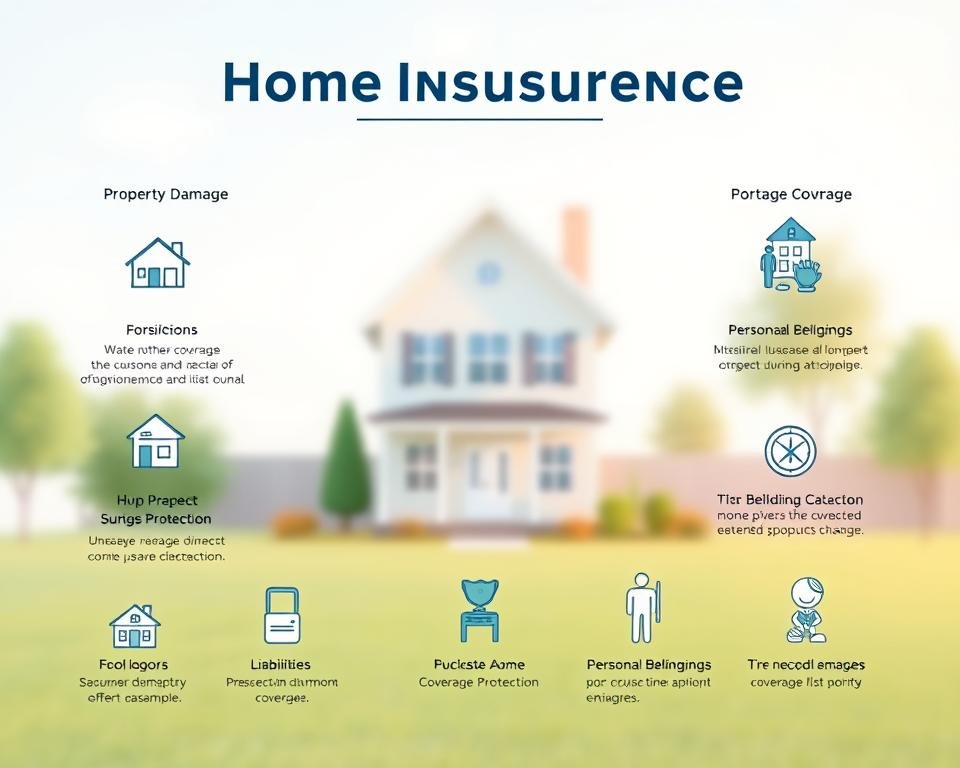
Common Questions Answered
| Question | Answer | Key Detail |
|---|---|---|
| Is flood damage covered? | No. Standard policies exclude floods. Purchase a separate flood insurance policy. | Available through NFIP or private insurers. |
| How much personal property coverage do I need? | Typically 50-70% of your home’s replacement cost. Inventory your belongings to avoid underinsurance. | Use home inventory apps to track valuable items. |
| Does insurance cover mold? | Only if caused by sudden water damage (e.g., a burst pipe). Long-term mold from neglect may not qualify. | Check policy details on water damage exclusions. |
Clarifying Misconceptions
- “All my possessions are automatically covered.” High-value items like jewelry or art often require extra coverage.
- “Insurance covers my home’s market value.” Most policies cover replacement cost, not resale value.
Understanding Policy Limits and Deductibles
Choosing the right home insurance involves knowing how much your policy covers and how much you pay out of pocket. These details directly affect your budget and protection. Let’s break down two key terms: policy limits and deductibles.What Are Policy Limits?
Policy limits set the maximum payout for covered losses. For example:- Dwelling coverage: Limits match your home’s rebuild cost.
- Personal property: Often capped at a percentage of the home’s limit.
- Liability: Usually starts at $100,000–$300,000, but higher limits offer better protection.
How Deductibles Work
A deductible is your share of the repair cost before insurance pays. Higher deductibles lower premiums but mean bigger out-of-pocket costs during claims.| Concept | Policy Limits | Deductibles |
|---|---|---|
| Definition | Max coverage per loss category | Amount you pay before claims are settled |
| Impact | Ensures full coverage for major losses | Affects monthly rates and claim costs |
| Example | $400k dwelling limit for a $300k home | $1,000 deductible for storm damage |
Maintaining and Updating Your Policy
Your home insurance coverage options need regular updates to stay effective. Life changes and market trends can leave gaps in protection. Here’s how to keep your policy current.When to Review Your Coverage
Life events and property changes demand attention. Review your policy after:- Home renovations or additions
- Purchasing expensive items (art, electronics, or collectibles)
- Family size changes (new children, elderly relatives moving in)
- Security system installations
- Local disaster risks (wildfire zones, flood maps updated)

Adjusting for Value Changes
Inflation and property appreciation affect coverage needs. Work with your home owners insurance company to:- Reassess home value every 3-5 years
- Update personal property inventories
- Adjust liability limits if income increases
Tips for Educating Yourself on Homeowners Insurance
Staying informed about homeowners insurance helps you make decisions that fit your home’s needs. Here’s how to find reliable information and keep your coverage up-to-date.Resources for Homeowners
[adinserter block=”6″] Start by exploring free guides from your insurer or trusted sites like the Insurance Information Institute. Check state insurance department websites to compare home insurance rates and review policy options. Consumer advocacy groups such as the National Association of Insurance Commissioners (NAIC) provide tools to decode coverage terms. Independent financial advisors can also explain how deductibles and limits apply to your unique situation.Importance of Staying Informed
Weather changes and rising construction costs mean your coverage needs evolve. A trusted home insurance provider will update you on local risks like flood zones or wildfire areas. Review your policy yearly to match it with home improvements or asset growth. Knowing your options ensures you’re never caught off guard by unexpected costs or gaps in protection.FAQ
What does homeowners insurance typically cover?
Homeowners insurance commonly covers dwelling protection, personal property, liability protection, and additional living expenses. It’s essential to check with your insurance provider to understand the specific coverages included in your policy.
Are floods covered under standard homeowners insurance?
Generally, standard homeowners insurance policies do not cover flood damage. Homeowners in flood-prone areas should consider additional flood insurance from a reputable home insurance company for comprehensive protection.
How can I find the right home insurance policy for my needs?
To find the right home insurance policy, assess your home type, location, personal assets, and your risk tolerance. Collaborating with a trusted home insurance provider can simplify this process and help tailor a policy to your individual needs.
What factors can affect my homeowners insurance premium?
Several factors can influence your homeowners insurance premium, including the location of your home, risk factors (like proximity to fire services), the characteristics of your home (such as age and materials), and the presence of safety features, like security systems.
Can I save money on my homeowners insurance?
Yes! You can potentially save money by bundling home and auto insurance policies, maintaining a claims-free history, or upgrading your home’s safety features like alarm systems. Many top-rated home insurance companies also offer various discounts that can lower your premium.
How do I file a claim with my homeowners insurance provider?
To file a claim, first document any damage and contact your insurance company promptly. Follow their specific claims process, which typically involves working with an adjuster to assess the damage and submitting required documentation for evaluation.
What should I do if I need to adjust my coverage?
Regularly review your policy, especially after significant life changes like renovations or major purchases. You should reach out to your home owners insurance company to discuss adjusting for value changes or necessary coverage updates to ensure adequate protection.
How important is it to understand my policy limits and deductibles?
Understanding your policy limits and deductibles is crucial, as they determine your coverage and out-of-pocket costs. Be sure to discuss these factors with your trusted home insurance provider to find a balance that works for your financial situation.
Where can I find educational resources about homeowners insurance?
There are numerous resources available, including insurance company educational materials, consumer advocacy groups, state insurance department websites, and independent financial advisors who can provide valuable insights to help you understand your coverage options better.